
Formulating Botanical Skincare - NEW Course - Enrollment Now Open.
Doors Close June 19th!

Search

Urea: The perfect cosmetic ingredient for smooth, soft, hydrated feet

Let’s introduce you to your next go-to cosmetic ingredient for footcare products!

If you have dry, rough or cracked heels or calluses on your feet, then you’ll be particularly excited by this ingredient.

Introducing.. urea, a potent emollient and keratolytic agent.

What is urea?

Urea is a naturally occurring compound in the human body. It is found in the epidermis as a natural moisturizing factor (NMF) and plays a vital role in maintaining skin hydration and integrity. 

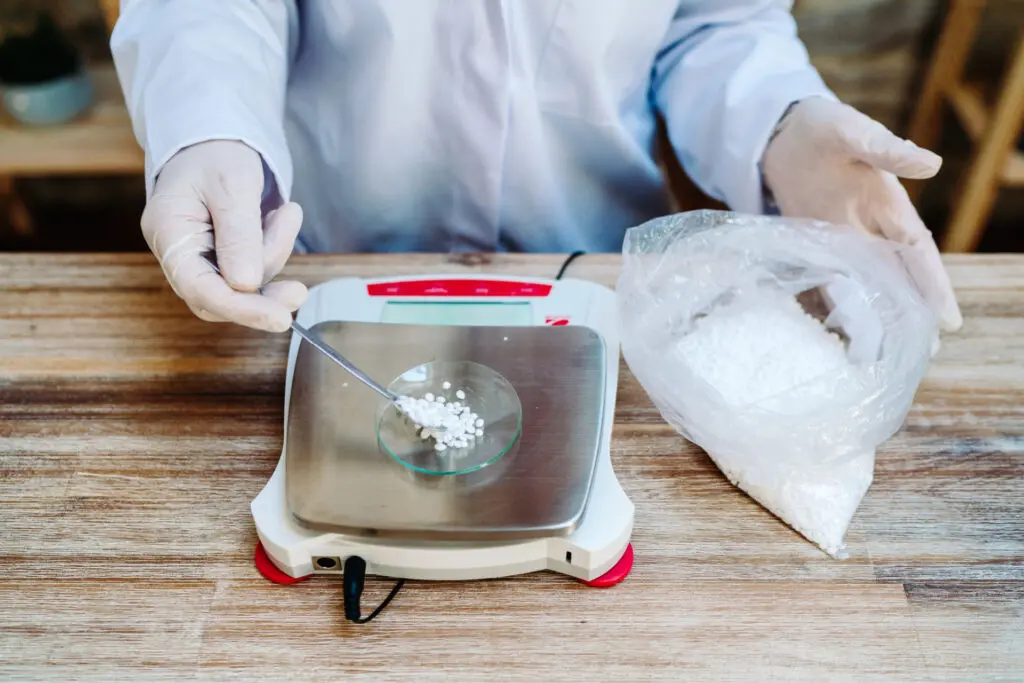
Urea in natural cosmetics is lab-made but bio-identical to the urea found in your skin. This means it is a nature-identical ingredient.
Benefits of urea in foot care 

There are many reasons why urea is an excellent choice for foot care formulations.

Hydration and moisture retention

Urea acts as a humectant, attracting and retaining moisture in the skin. This property is particularly beneficial for dry, rough areas like the feet and hands, helping to keep the skin soft and supple. 

Exfoliation of rough skin

At concentrations of 10% or above, urea exhibits keratolytic properties, meaning it helps to soften, break down and remove dead skin cells. This makes it effective in treating conditions like calluses, cracked heels, and thickened skin on the hands and feet.

Enhancement of skin barrier function

Urea has been shown to improve the skin’s barrier function by regulating gene expression in keratinocytes, leading to better skin hydration and resilience.

Support in wound healing

Urea has traditionally been used in wound care due to its proteolytic and antibacterial properties. It helps remove dead or damaged skin and promotes a healthier environment for skin regeneration.

Application in skincare products 

Urea is incorporated into various skincare formulations, including creams and lotions, at different concentrations to address specific skin concerns.

In low concentrations (2-10%) urea is primarily used for moisturizing and maintaining skin hydration.

Higher concentrations (10–20%) provide effective keratolytic action, helping to exfoliate and treat rough, dry areas of skin.
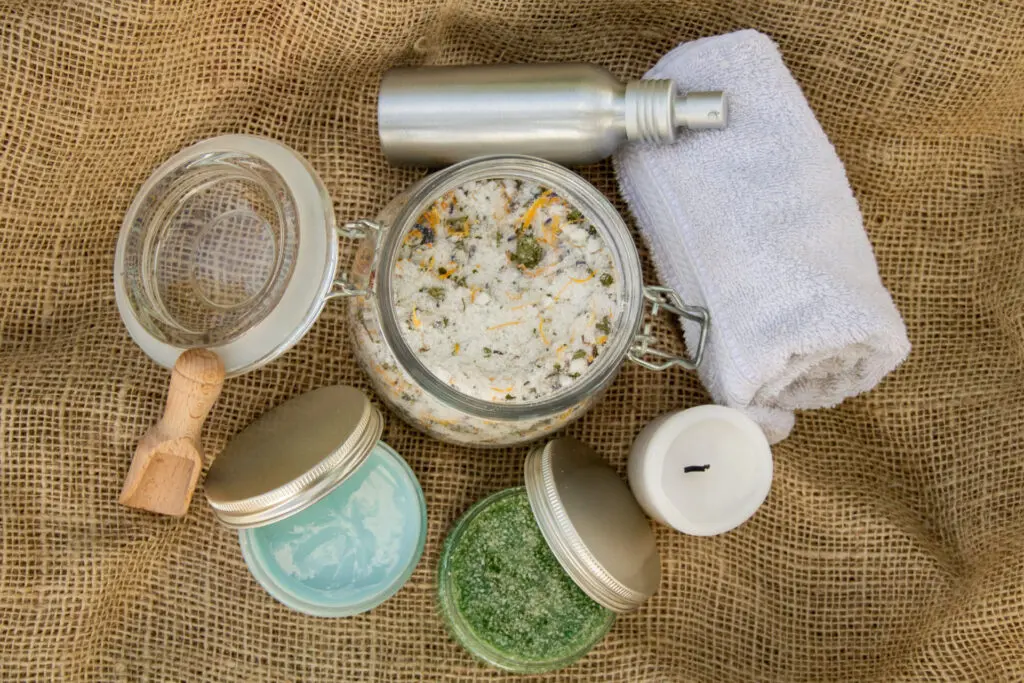
Formulation considerations 

Urea can be tricky to formulate with as it is rather unstable in water solutions, degrading into ammonia and carbon dioxide. Ammonia raises the pH, which increases the degradation of urea, plus it can cause pH-dependent preservatives to become inactive. Carbon dioxide causes bubbles in the product and increases the pressure inside the packaging, which can lead to the container bursting. 

For these reasons, in cosmetic formulations urea needs to be stabilized. This is something we cover in detail in our Formulating Foot Care Products class, where you’ll also explore additional keratolytic ingredients and formulate four expert-level treatments: a herbal foot soak, a refreshing pumice scrub, an anti-callus lotion, and a softening cream with lactic acid and panthenol.

Formulating High-Performance Foot Care Proucts

Urea’s ability to hydrate, exfoliate, and support skin healing makes it a valuable ingredient to treat dry, rough, and calloused skin. 

Explore urea in more detail and create your own high-performance foot care products to soften, smooth, and hydrate your feet in our Formulating Foot Care Products class.

In this class, you’ll explore keratolytic ingredients, including salicylic acid, lactic acid, urea, and allantoin, which help shed dead skin and restore softness. You’ll also learn how to stabilize urea and solubilize salicylic acid. Formulate four expert-level treatments: a herbal foot soak, a refreshing pumice scrub, an anti-callus lotion, and a softening cream with lactic acid and panthenol.
Foot care products with jars and towel

References 

Grether-Beck, S., Marini, A., Jaenicke, T., Klotz, L.-O., & Krutmann, J., 2021. Urea in dermatology: A review of its emollient, moisturizing, keratolytic, skin barrier enhancing and antimicrobial properties. Clinical, Cosmetic and Investigational Dermatology, 14, pp.1235–1243. Available at: https://pubmed.ncbi.nlm.nih.gov/34596890/ [Accessed 9 May 2025].

Draelos, Z.D., 2018. Topical urea in skincare: A review. Dermatologic Therapy, [online] Available at: https://www.researchgate.net/publication/328634599_Topical_urea_in_skincare_A_review [Accessed 9 May 2025].

Meara, J.G., 2013. Urea: A comprehensive review of the clinical literature. Journal of Wound Care, [online] Available at: https://www.researchgate.net/publication/259245089_Urea_A_comprehensive_review_of_the_clinical_literature [Accessed 9 May 2025].
Free Guide

The Beginner's Guide to Formulating Natural Skincare Products (From scratch, like a professional!)

Start creating your own natural skincare products from scratch – rather than simply following recipes!

Learn how to formulate like a pro and discover our top tips for becoming a confident skincare formulator.

Two women showcasing natural skincare products.

Exclusive for our newsletter subscribers. Sign up now.

We look after your data in accordance with our privacy policy.

Download this fabulous guide and you’ll learn:

  • What formulating is and why you need to be doing it!
  • The difference between following recipes and formulating your own products.
  • Our step-by-step process to designing products people love.
  • Four easy ways to personalize your skincare products.
  • Choosing the right carrier oils for your beauty products.
  • Plus, you’ll get our Safe Product Checklist: How to make sure the skincare products you make are safe and stable

Related Posts

Unlocking The Power Of Sea Buckthorn In Natural Skincare: A Guide To Different Forms And Uses

Sea buckthorn has been used for centuries in traditional medicine and skincare, particularly in Asia and Europe. Its benefits are numerous, and it has been

The Power of Aloe Vera in Skincare: The Multi-Purpose Ingredient Transforming Skincare Products

Aloe barbadensis, or aloe vera has been used for centuries as a medicinal plant, and it has been proven to have several benefits for the

Jojoba in Natural Skincare and Haircare: Properties, Functions, and Benefits

Jojoba, scientifically known as Simmondsia chinensis, is a plant that is native to the Sonoran and Mojave Deserts of Arizona, California, and Mexico. The plant

Discover the philosophy behind Korean skincare and learn how to formulate your own sophisticated K-beauty inspired products. In this advanced class, you’ll explore the multi-step Korean skincare routine, the concept of glass skin, and the role of gentle, preventative skincare. Learn about iconic ingredients such as centella asiatica, ginseng, snail mucin, fermented extracts and ceramides, then create seven Korean-inspired formulations, including cleansers, toner, essence, ampoule and a jelly moisturizer.

Take the overwhelm out of cosmetic labeling and feel confident creating labels that are both compliant and beautiful. In this step-by-step course, you’ll learn exactly what needs to go on your products—from writing INCI lists and calculating allergens to adding the correct symbols, expiry dates, and batch numbers. Guided by an experienced Cosmetic Scientist, you’ll gain the clarity, confidence, and skills to create professional labels that build customer trust and support your brand as it grows.

Achieve a more even skin tone with a targeted brightening skincare routine! This class explores the causes of hyperpigmentation, helpful treatment options, and the best active ingredients to fade dark spots. Plus, get four expert formulations to create at home: AHA Resurfacing Toner, Brightening Serum with Kojic Acid & Vitamin C, Azelaic Acid & Arbutin Essence, and a Niacinamide Anti-Pigmentation Moisturizer.

This class explores the key differences between male and female skin, focusing on how hormonal balance affects skin characteristics. It covers creating skincare routines and products tailored to men’s needs, including solutions for shaving irritation, excess sebum, hyperpigmentation, clogged pores and razor bumps (PFB).

Receive four formulations from our lab, ready for you to make at home: Daily Hydrating Fluid, Natural Shaving Cream, Soothing After-Shave Gel-Cream and Exfoliating Nighttime Moisturizer with AHAs. Follow our formulations and then create your own!

Natural ingredients for skin barrier formulation

Skin barrier damage is a common concern causing dryness, sensitivity, irritation, transepidermal water loss, an uneven texture and dullness. Take a deep dive into the role of the skin barrier, what causes skin barrier damage and how to formulate products to restore and repair the skin barrier. Discover a wide range of skincare ingredients – backed by research – that restore the skin barrier. Receive three formulations from our lab, ready for you to make at home: Soothing Camomile Essence, Replenishing Face and Body Cream and Restoring Oil Serum.