
Formulating Botanical Skincare - NEW Course - Enrollment Now Open. Doors Close June 19th!

Search
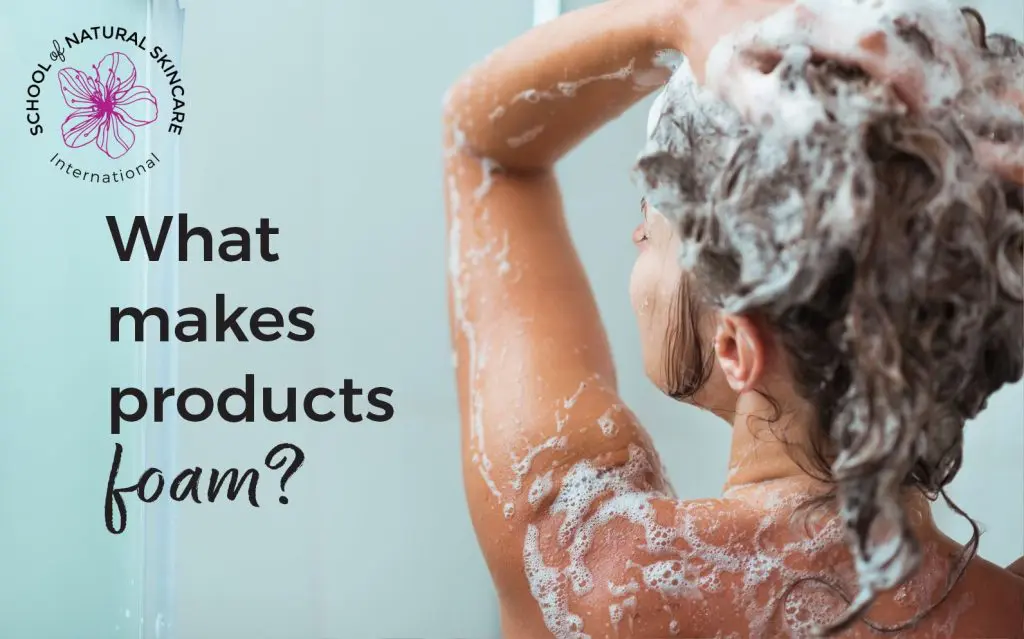
What makes products foam?

What makes products foam?

Have you ever wondered what makes foaming products foam?

It’s thanks to a category of ingredient called surfactants. 

Surfactants allow us to create a wide range of foaming products: everything from shampoo to body wash, hand soap to bubble bath.

Surfactants are a hugely useful ingredient and a category of ingredient that is really worth getting to know better if you want to increase the range of products you can make.

Surfactants have many functions. 

They can make products foam, they can create emulsification in creams and lotions and they help solubilise ingredients too.

Here are seven of their main functions in skincare products.

7 Functions of surfactants

1. Wetting 

This is how a product spreads out when it is applied onto a surface; for example a shampoo spreads out on your hair in a specific way in order to carry out its function.

2. Foaming 

Surfactants are used to create foam in products such as in shampoo, and body-, face- and hand washes. 

3. Dispersion 

This is a where a solid, eg a powder, is dispersed in a liquid.

4. Emulsification 

This is the formation of a dispersed system, made of two liquids that do not mix. Examples are creams and lotions, which contain both oil and water. Emulsification creates a dispersed system, which allows the oil and water to mix together without separating.

5. Detergency 

Surfactants have the ability to remove dirt and grime from a surface. Examples here are in cleansing products and also in detergents used to wash our clothes. 

6. Solubilization

This is a process where insoluble materials, such as essential oils, can be made soluble. An example would be solubilizing essential oils into a water-based product such as a toner or shower gel. 

7. Viscosity regulation 

This means surfactants have the ability to vary the viscosity or thickness of a product. For example a shower gel is a thicker product than a foaming facial cleanser, which needs to be thinner due to its packaging. 

So as you can see surfactants are extremely useful ingredients to get to know. 

That’s why our latest Diploma course delves into surfactants in detail. And you’ll learn how to formulate your own range of foaming and cleansing products using them. 

By the end, you’ll be able to confidently formulate a range of shower gels, face and body washes, bubble bath, liquid hand soap, foaming facial cleansers and more.

Grab your place here.

Liked learning about this? Save this image below on Pinterest so you can be sure to remember!

What makes products foam? Natural Skincare Ingredients

Related Posts

Urea: The perfect cosmetic ingredient for smooth, soft, hydrated feet

Let’s introduce you to your next go-to cosmetic ingredient for footcare products! If you have dry, rough or cracked heels or calluses on your feet,

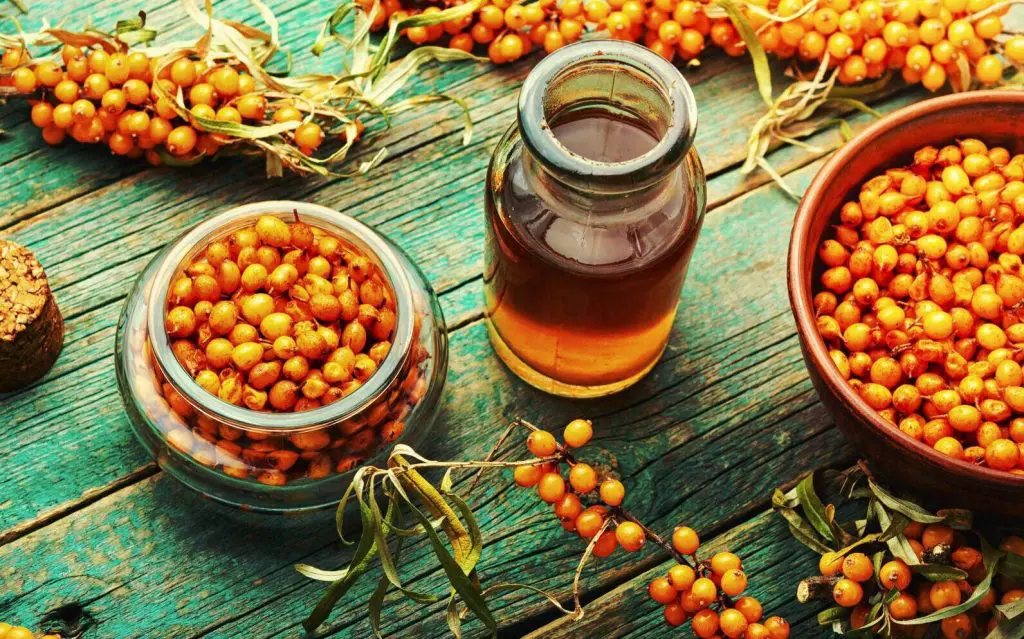
Unlocking The Power Of Sea Buckthorn In Natural Skincare: A Guide To Different Forms And Uses

Sea buckthorn has been used for centuries in traditional medicine and skincare, particularly in Asia and Europe. Its benefits are numerous, and it has been

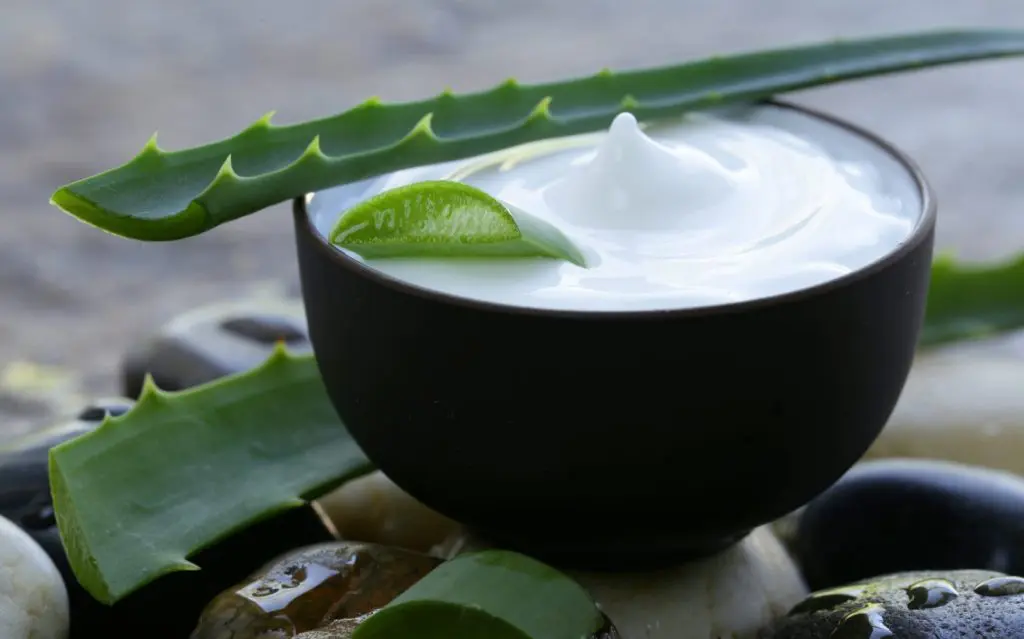
The Power of Aloe Vera in Skincare: The Multi-Purpose Ingredient Transforming Skincare Products

Aloe barbadensis, or aloe vera has been used for centuries as a medicinal plant, and it has been proven to have several benefits for the

Discover the philosophy behind Korean skincare and learn how to formulate your own sophisticated K-beauty inspired products. In this advanced class, you’ll explore the multi-step Korean skincare routine, the concept of glass skin, and the role of gentle, preventative skincare. Learn about iconic ingredients such as centella asiatica, ginseng, snail mucin, fermented extracts and ceramides, then create seven Korean-inspired formulations, including cleansers, toner, essence, ampoule and a jelly moisturizer.

Take the overwhelm out of cosmetic labeling and feel confident creating labels that are both compliant and beautiful. In this step-by-step course, you’ll learn exactly what needs to go on your products—from writing INCI lists and calculating allergens to adding the correct symbols, expiry dates, and batch numbers. Guided by an experienced Cosmetic Scientist, you’ll gain the clarity, confidence, and skills to create professional labels that build customer trust and support your brand as it grows.

Achieve a more even skin tone with a targeted brightening skincare routine! This class explores the causes of hyperpigmentation, helpful treatment options, and the best active ingredients to fade dark spots. Plus, get four expert formulations to create at home: AHA Resurfacing Toner, Brightening Serum with Kojic Acid & Vitamin C, Azelaic Acid & Arbutin Essence, and a Niacinamide Anti-Pigmentation Moisturizer.

This class explores the key differences between male and female skin, focusing on how hormonal balance affects skin characteristics. It covers creating skincare routines and products tailored to men’s needs, including solutions for shaving irritation, excess sebum, hyperpigmentation, clogged pores and razor bumps (PFB).

Receive four formulations from our lab, ready for you to make at home: Daily Hydrating Fluid, Natural Shaving Cream, Soothing After-Shave Gel-Cream and Exfoliating Nighttime Moisturizer with AHAs. Follow our formulations and then create your own!

Natural ingredients for skin barrier formulation

Skin barrier damage is a common concern causing dryness, sensitivity, irritation, transepidermal water loss, an uneven texture and dullness. Take a deep dive into the role of the skin barrier, what causes skin barrier damage and how to formulate products to restore and repair the skin barrier. Discover a wide range of skincare ingredients – backed by research – that restore the skin barrier. Receive three formulations from our lab, ready for you to make at home: Soothing Camomile Essence, Replenishing Face and Body Cream and Restoring Oil Serum.