
Pentylene glycol in skincare is a multifunctional cosmetic ingredient used for moisturizing, humectant, penetration enhancing and antimicrobial properties. This makes it a really useful ingredient in natural formulations and one that is worth getting to know.
Why learn to formulate with pentylene glycol?
Here are four reasons to formulate with pentylene glycol:
- It’s naturally derived from sugar cane (not lab-made like many natural preservatives).
- It’s a great sustainable choice as it can be made from waste products from the food industry.
- It is multifunctional and therefore a really useful ingredient to include in your formulations – use it for moisturizing, humectant, penetration enhancing and antimicrobial properties.
- It has the potential to be used as a natural preservative and/or preservative booster.
What is pentylene glycol?
Naturally sourced pentylene glycol is derived from sugarcane or corn and it can be sourced directly as a byproduct from the food industry.
Sugar cane-derived pentylene glycol is extracted from bagasse – a fibrous pulp which remains once the sugar cane plant is crushed to extract its juice. Since bagasse is a waste product of the sugarcane industry, repurposing it reduces waste from the food industry as well as avoiding the creation of waste for cosmetic purposes. That’s why pentylene glycol in skincare is a sustainable choice.
Although it is used primarily as a natural preservative for cosmetics, pentylene glycol is also an effective moisturizing agent and penetration enhancer. It is not categorized as a preservative, but it can work effectively due its antimicrobial properties.
This does, of course, depend on the overall formula of your natural skincare product, but it is something that natural and organic formulators might want to explore further.
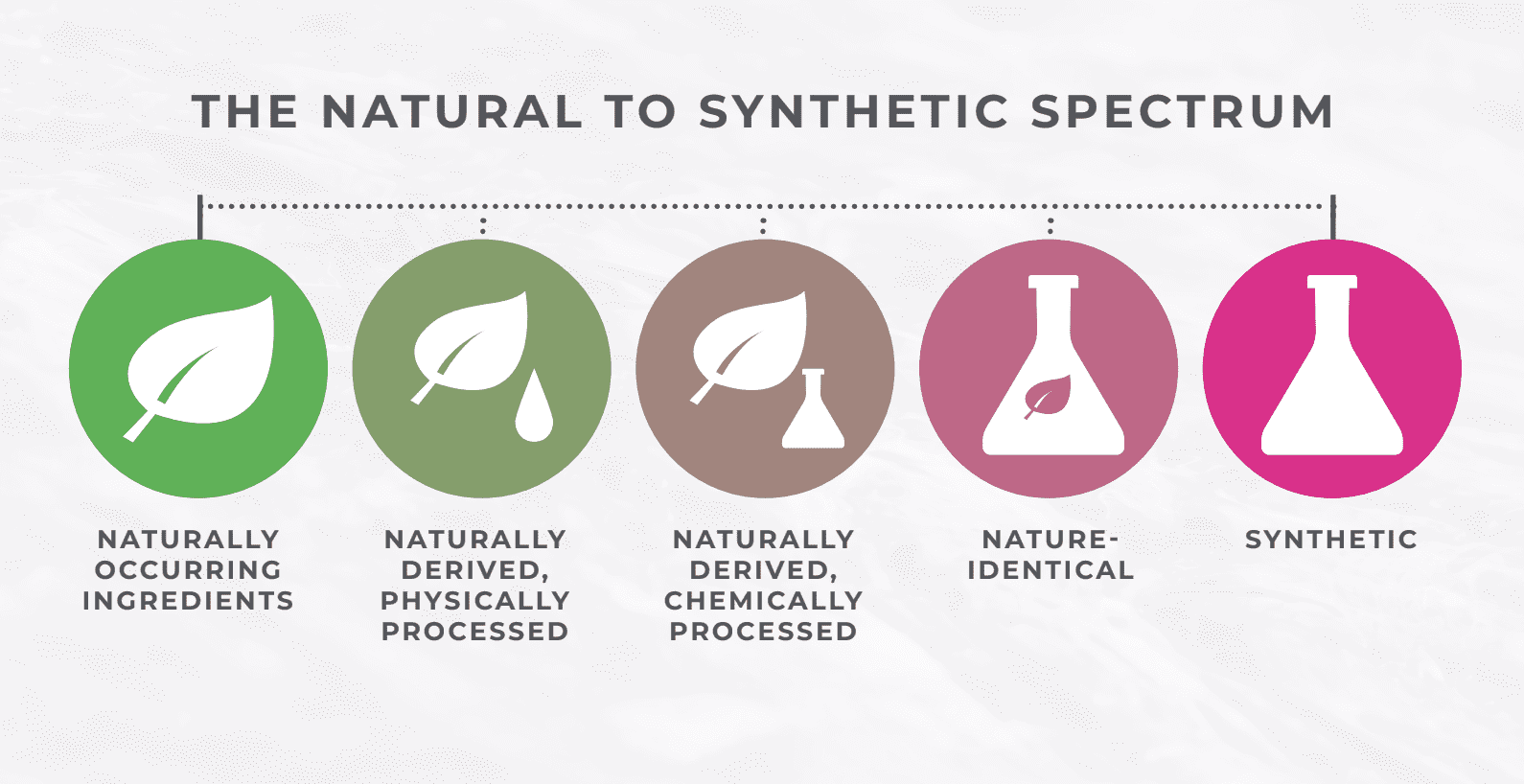
Pentylene glycol is obtained naturally, unlike most natural preservatives, for example benzyl alcohol, potassium sorbate and phenethyl alcohol, which are synthetically created (but nature-identical). These ingredients, although COSMOS-approved, are lab-made to match those found in nature. As well as being a natural preservative for skincare, it’s a natural preservative for hair products, too.
If you’d like to learn more about natural preservatives and their necessity, you can read about Creating a Broad-spectrum Preservative System for Natural Skincare Products, and Natural Preservatives for Cosmetics, where you can also download a free factsheet on natural preservatives and emulsifiers.
What are the functions of pentylene glycol?
Pentylene glycol in skincare has a range of functions, including:
Skin moisturizing
Pentylene glycol is a humectant, which means it can attract and retain water on the skin’s surface. This increases the skin’s water content, leading to hydrated and plumped skin.
Antimicrobial properties
Pentylene glycol has been shown to have antimicrobial properties. Some suppliers even claim it can be used as the sole preservative in a cosmetic product. We decided to put this to the test by using pentylene glycol as the sole preservative in a lotion formula and sending it for professional microbiological testing.
We share the results in full in our class on Pentylene Glycol: Natural Multifunctional Ingredient for Cosmetic Preservation in the Natural Cosmetic Formulation Club. Join today to read the results and learn how to use pentylene glycol in your formulations.
Pentylene glycol is also very useful as a preservative booster. We have used it as a booster in formulations that are more challenging to preserve, such as those containing clay. You’ll find examples of how we have used it successfully as a preservative booster in our Formulating Emulsion-based Clay Face Masks class also available inside the Club.
Penetration enhancer
The skin provides vital protection to our bodies and is specifically designed to keep out any external aggressors.
However, this barrier also prevents the penetration of beneficial cosmetic actives. Penetration enhancers temporarily disrupt the skin barrier allowing actives to penetrate further, which in some cases can improve the benefits of actives.
Find out more about pentylene glycol
To find out more about pentylene glycol, check out our in-depth guide: Pentylene Glycol: Natural Multifunctional Ingredient for Cosmetic Preservation, inside the Natural Cosmetic Formulation Club.
Here we talk about the role of preservatives in cosmetics, the usage guidelines of pentylene glycol, and testing the preservative function of pentylene glycol. You’ll discover if pentylene glycol is effective as the sole preservative is a formula (we’ll even share the Preservative Efficacy Test report with you) and we’ll give suggestions for synergistic preservative ingredients it can be combined with if required.
In this guide you’ll receive:
- The PET results from our experiment which help answer the question: How effective is pentylene glycol as a preservative?
- Guidance on how to interpret PET results.
- Usage instructions for pentylene glycol.
- More information on the functions of pentylene glycol.
- A beautiful PDF to download and keep.
Science and the Natural Cosmetic Formulation Club <h2>
Within the Club, Members are advancing their product-making skills, ingredient knowledge and formulating abilities, and are building their knowledge of the skin and the science behind formulating cosmetics.
As well as business skills that will help them to launch, grow, expand and improve their natural beauty businesses, Members explore the latest trends, developments and research.
Students, graduates and confident formulators access classes, courses, guides, lab experiments and reports, formulations, lab skills tutorials and more, all about natural cosmetic formulation from across the entire natural cosmetics spectrum.
By following our values of natural and organic cosmetic formulation, you too can begin an adventure that could change your life.
Join the Club to access the guide today
Check out our Natural Cosmetic Formulation Club to find out all about the Club and how to join.
Join today and exchange some of your first month’s credits for Pentylene Glycol: Natural Multifunctional Ingredient for Cosmetic Preservation for immediate access to the class. The class is only 25 credits meaning you’ll have an additional 25 credits during your first month to access an additional class, ingredient guide or formulation too!
Already a member? You’ll find the class on the Ingredients dashboard.
With loads of exciting topics to discover, new classes added every month and a supportive community, we know you’ll love being a member!
Any Questions?
Please do get in touch with our customer service team by email using [email protected] with any questions you may have. We’re here to help and would be delighted to hear from you.