
Are you a successful natural skincare or haircare formulator, and feel like you want to create makeup but don’t know where to start? Do you feel like makeup and color cosmetics is something you want to explore but feel you haven’t got the skills?
Perhaps you feel something’s missing from your brand, something new and exciting, and a little different to what people may expect from you. Perhaps you’ve considered making natural color cosmetics at home, but not taken it any further, or not sure where to start?
Making professional standard makeup and color cosmetics is something you CAN do. It IS possible. And we can show you how!
Why formulate natural makeup and color cosmetics?
The use of natural cosmetics and the desire of consumers to use natural, organic and vegan make-up has grown in the last few decades and is now not an alternative, but very much mainstream and here to stay.
Making your own natural mineral makeup and then exploring advanced natural color cosmetics is a fun and creative way to express yourself. It is also a great way to aid wellbeing; there’s nothing better than creating something yourself, for yourself, from scratch, that is natural and organic!
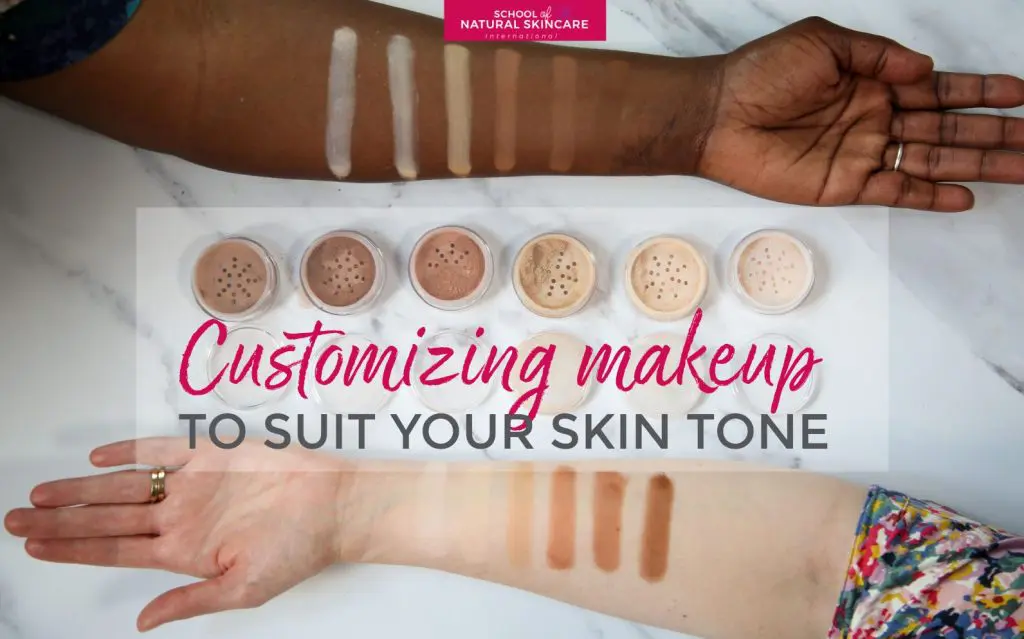
You can create products your way – vegan, clean, natural and/or organic. You can customize your perfect shade and make products suited perfectly to your skin tone and preferences.
You can develop skills in a new area or formulation and even establish a natural makeup and color cosmetics range!
Can you formulate natural makeup at home?
The questions we typically receive from keen students when it comes to the idea of formulating makeup and color cosmetics are as follows – and you may be thinking the same too!
Can I really do it from home?
Do I need specialist ingredients and equipment?
Can I really make my own makeup and color cosmetics using natural ingredients?
The good news for you is the answer to all of these questions is very positive.
Can I really do it from home?
Yes, you absolutely can do it all from home and come out with professional standard natural makeup and advanced color cosmetic products. You just need proper equipment, ingredients and knowledge! If you formulate skincare products already then you likely have some of the ingredients and equipment you need already.
Do I need specialist ingredients and equipment?
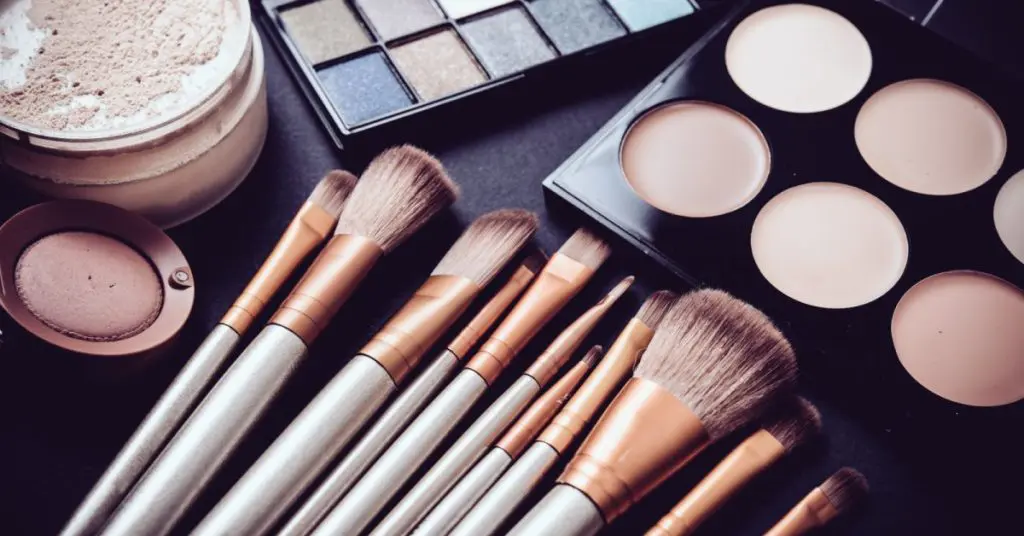
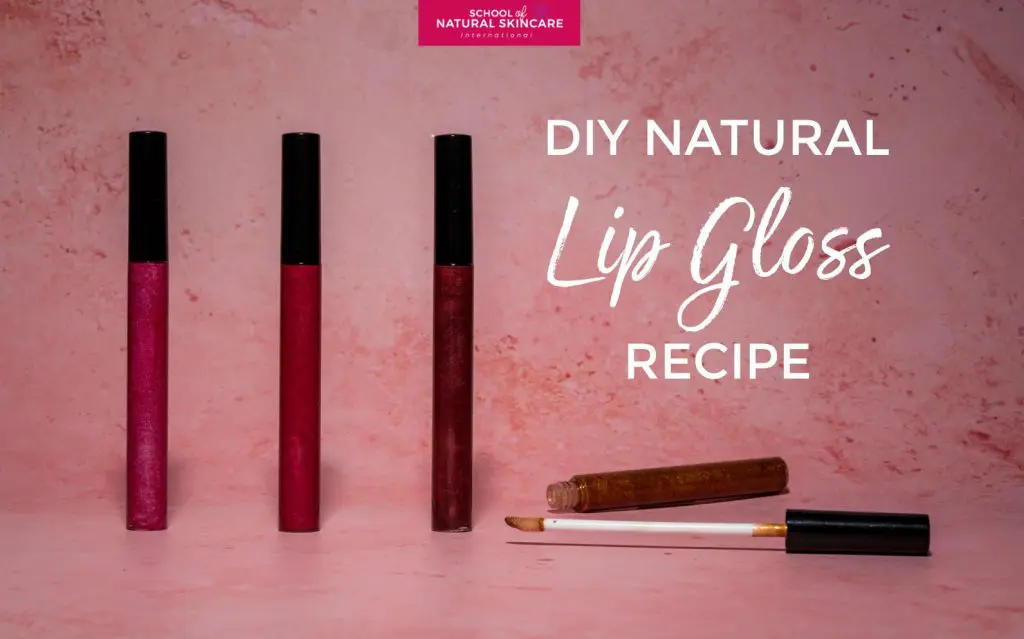
There are many products you can make with easily accessible ingredients. You’ll be able to create products like cream eyeshadows, lip stick, lip gloss, blushers, eye liner, mineral foundations and even mascara with easy to source ingredients.
Some specialized ingredients are required for the more advanced products, for example liquid foundations, and depending on where you live these might require ordering from abroad.
Basic kitchen/lab equipment is needed (which you probably already have if you make skincare or haircare products). A few extra items are useful, for example a pestle and mortar and electric coffee grinder.
Two pieces of (optional) specialist equipment you may require pressing tools such as a clamp or small tamper tool if you wish to create pressed powders and a lipstick mold for making lipsticks with a tapered end.
Can I really make my own makeup and color cosmetics using natural or organic ingredients?
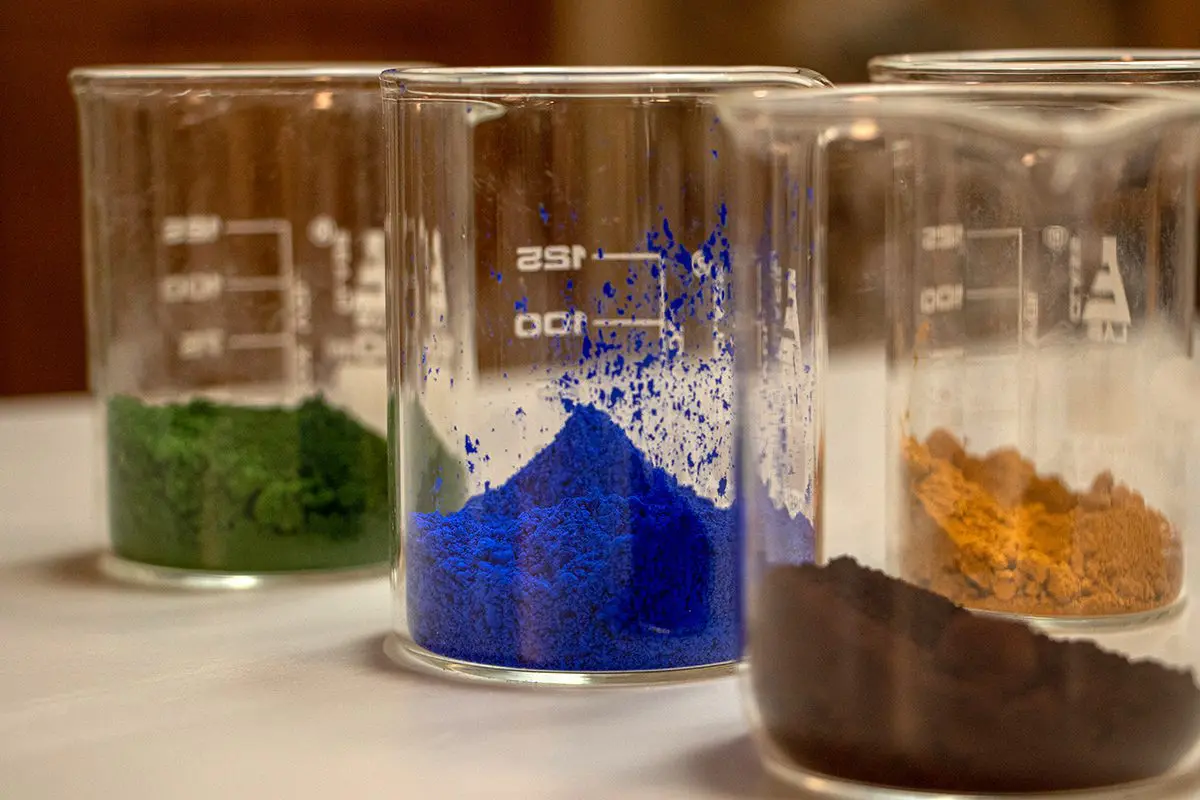
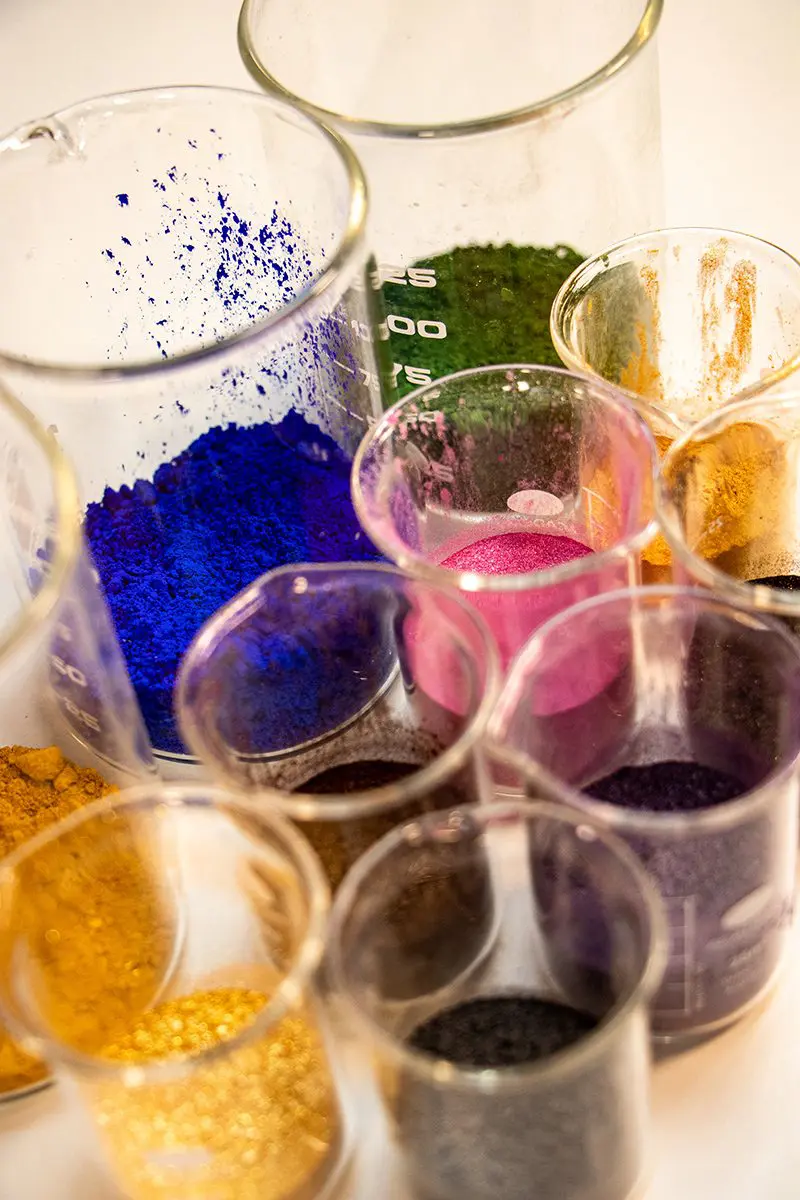
Yes! You can create makeup products that follow the COSMOS standards, the most well known standards for natural and organic cosmetics. Natural and organic oils, butters, waxes and gums are used to create the base of many products. Pigments used for cosmetic applications are nature identical, rather than naturally derived, and are permitted in many natural/organic certifications such as COSMOS. Mineral pigments are very stable (they do not fade or change color) and they produce intense hues.
Can you formulate makeup as a beginner?
Mineral makeup is a good place to start as a beginner. These formulations are powder based so no complicated methods are required. Formulating more advanced types of color cosmetics can be a little tricky for beginners and it’s better to come into it with some experience of formulating other products, such as skincare or haircare products.
The foundation of skills and knowledge you gain from starting there will put you in a better position to delve into the world of formulating natural makeup and advanced color cosmetics. And you can do that with our Diploma in Natural Skincare Formulation or Diploma in Natural Haircare Formulation.
So, yes, it certainly is possible to make professional standard makeup and advanced color cosmetics from home! Just like it is possible to make wonderful lotions, moisturizers and serums, shampoos, conditioners, hair treatment and styling products that are natural, organic or vegan it is also possible to make professional, natural, organic and vegan makeup and advanced color cosmetic products too.
Is making natural color cosmetics the same as skincare or haircare formulation?
In some ways yes…
Most makeup and color cosmetics products use the same ingredients as skincare products – emulsifiers, oils, antioxidants, preservatives. Product types can be very similar – emulsions, anhydrous balms, water-based gels. All of these things you might already be familiar with from making your own skincare products.
The same rules that apply to skincare products (e.g. an emulsion requires the use of an emulsifier, or products with water need to also contain preservatives), apply to makeup and color cosmetics as well.
But there are differences… Very important ones!
Creating a makeup formula is far more than taking an existing skincare formula and adding colorants to it. This works to some extent with basic products, for example you can add mica to a lip balm to create a tinted lip balm, but you can’t make a good quality foundation by adding colorants to a moisturizer.
To make well-performing makeup products and color cosmetics you need to know what you are doing – what kind of product requires which specific ingredients, which pigments can be used in your formula, what packaging it will require, etc.
With correct, safe, and up-to-date information, you could create all the colored cosmetics you’ve ever dreamed of!
How to create an effective makeup formula
Every emulsion, gel or balm in makeup needs to function perfectly as the ‘carrier’ for colorants, but it is important you know that not just any emulsion formula can be turned into a makeup formula.
The formula needs to be created in a way that will best support the colorants you include in it, so that the product will be able to function properly as a ‘color cosmetic’.
The most important task of a good makeup formula is to work well with the colorants. So besides knowing which colorants to use and when to use them, you also need to know HOW to use them in a specific product, to get everything you want from them (be it coverage, tone correction, pigmentation etc), and none of the issues you don’t want from them (clumping, separation, settling to the bottom etc).
This might mean using special ingredients that are not commonly used in skincare products such as dispersing agents, film formers or those that help with adhesion or maybe following specific manufacturing instructions that ensure the product comes out perfectly.
How do you learn to formulate your own natural makeup and color cosmetics?
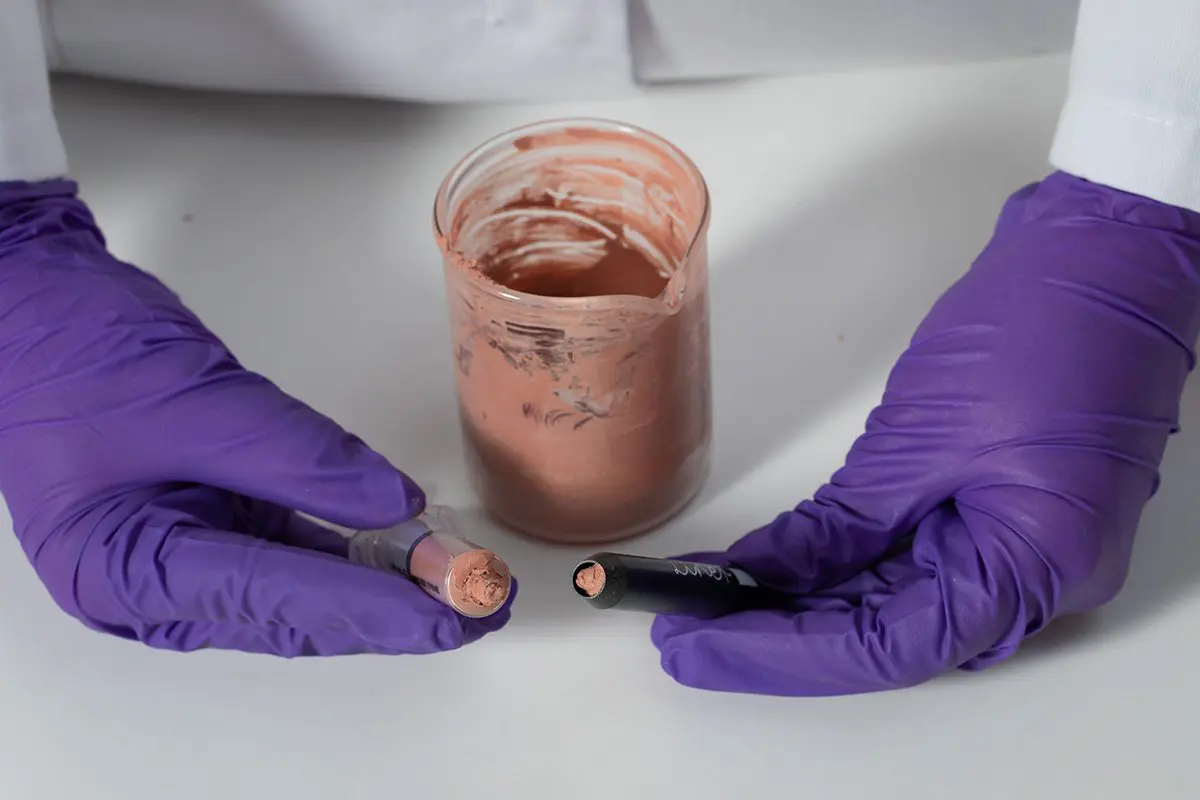
Probably the best way to learn about formulating makeup is to start with mineral makeup products. They will teach you all about pigments and supporting ingredients, about blending colours and about finding the recipe for your desired color.
From then on, you can progress to advanced color cosmetics. Here, you will apply all your knowledge on pigments, and combine it with new knowledge about formulating advanced product types to create professional colour cosmetics. Both mineral makeup and advanced cosmetics are covered on our new course!
Fortunately, if you want to learn how to create your own makeup and color cosmetics – for yourself or to sell – we’ve got you covered, your questions answered, and your worries and anxieties solved with our Diploma in Formulating Natural Makeup and Advanced Color Cosmetics.
We are proud to bring you the first and only online training course that focuses on teaching you how to formulate professional standard natural and organic makeup and color cosmetics.
By enrolling on this online, multimedia diploma course, you’ll be able to create your own professional standard natural color cosmetic product range for the face, lips and eyes. You’ll have a huge amount of fun mixing colored pigments and shimmery micas, and you can experiment with a range of makeup formats.
You’ll spend time customizing your products to create your perfect shade, enabling you to make products suited perfectly to your skin tone and preferences. You can then perfect your own complete range of makeup and color cosmetics for yourself, or use them to establish a natural makeup and color cosmetics range!