
Preservatives are essential to protect natural skincare and haircare products from microbial growth, but it can be difficult to ascertain which natural preservatives are the best choice and which you should use in your products.
We are often asked by students, “Which natural preservatives are the best or most effective?” So, we decided to put seven natural cosmetic preservatives to the test on one of our lotions, to see which were effective…. and which weren’t.
Now we are bringing our findings from our lab to yours! (Spoiler: not all the preservatives passed the test).
The only way to know for sure how effective a preservative is, is to send a product for professional Preservative Efficacy Testing (PET) also known as challenge or microbiological testing. So that’s what we did! Seven lotions were sent for testing, each with a different natural preservative.
Read on to discover how to get your hands on US $1,200 worth of preservative test results that will help you choose effective, natural preservatives for your own formulations.
What are the risks of using ineffective preservatives?
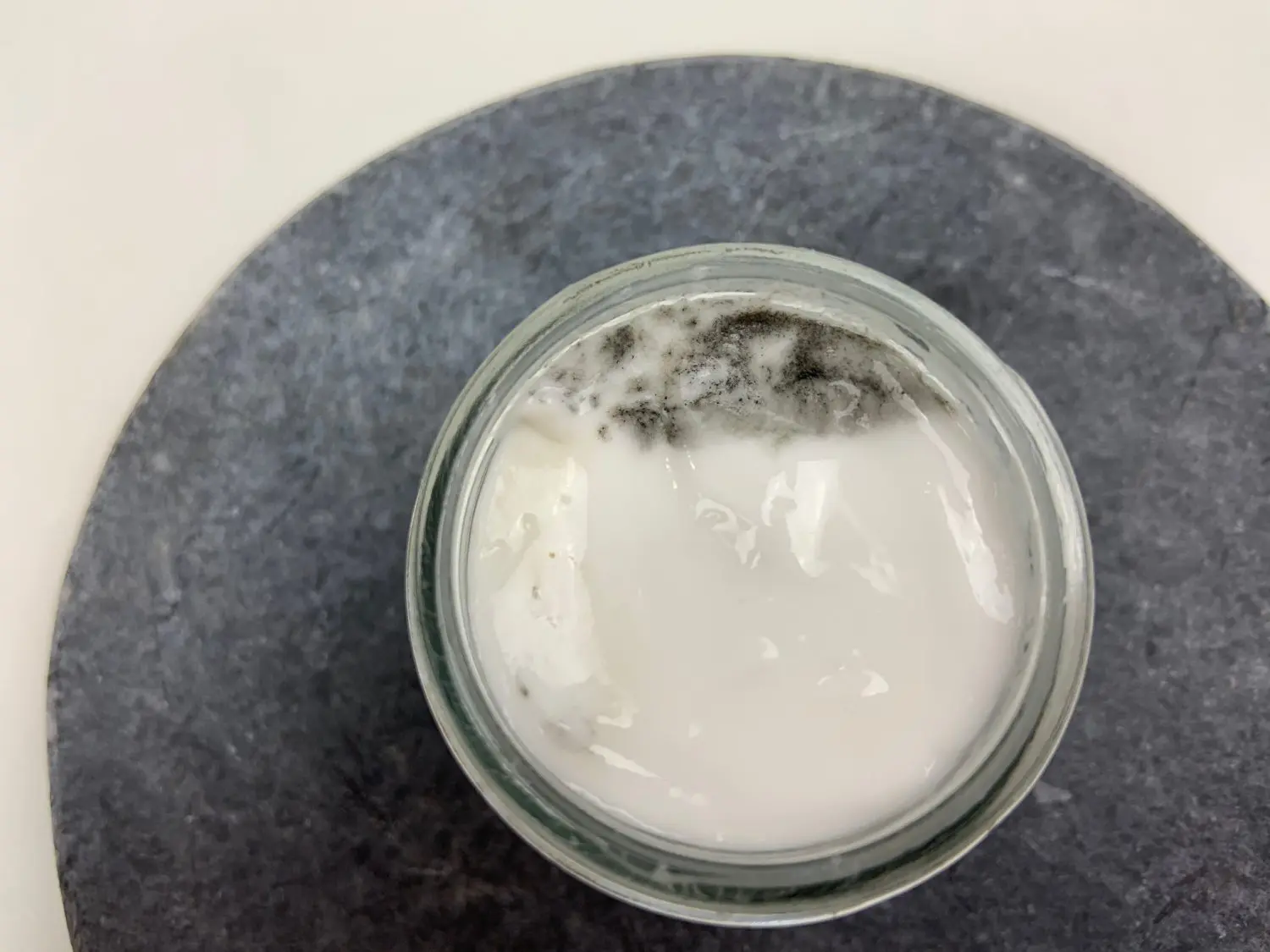
Cosmetic products containing water are highly susceptible to microbial contamination, as they provide the perfect conditions for microorganisms such as bacteria, yeasts and molds to grow within them.
Microbial growth leads to the degradation of your product or its ingredients, and has negative effects on your product’s safety, stability and efficacy. Contaminated products can cause anything from minor skin irritation to serious skin or systemic infections.
Microbes cannot be seen by the naked eye so you and the consumer will not know that the product has been contaminated until it’s too late.
As well as being a health hazard, microbial contamination can also pose a financial burden. If a batch of a cosmetic product is found to be contaminated, it must be recalled; this is an expensive process as well as having an impact on the reputation of your brand.
Our experiment: Which natural preservatives for cosmetics are most effective?
To compare the efficacy of different natural preservatives, we sent seven lotions, identical in every way except for the preservative they contain, for professional Preservative Efficacy Testing (PET) to see which ones passed and which didn’t.
We tested:
- Preservative Eco/Geogard ECT (INCI: Benzyl Alcohol, Salicylic Acid, Glycerin, Sorbic Acid).
- Geogard Ultra (INCI: Gluconolactone, Sodium Benzoate).
- Geogard 221 (INCI: Dehydroacetic Acid, Benzyl Alcohol).
- Euxyl K 712 (INCI: Sodium Benzoate, Potassium Sorbate, Aqua).
- Leucidal Liquid (INCI: Radish Root Ferment Filtrate) with AMTicide Coconut (INCI: Lactobacillus, Cocos Nucifera (Coconut) Fruit Extract).
- Leucidal SF Complete (INCI: Lactobacillus Ferment, Lactobacillus, Cocos Nucifera (Coconut) Fruit Extract).
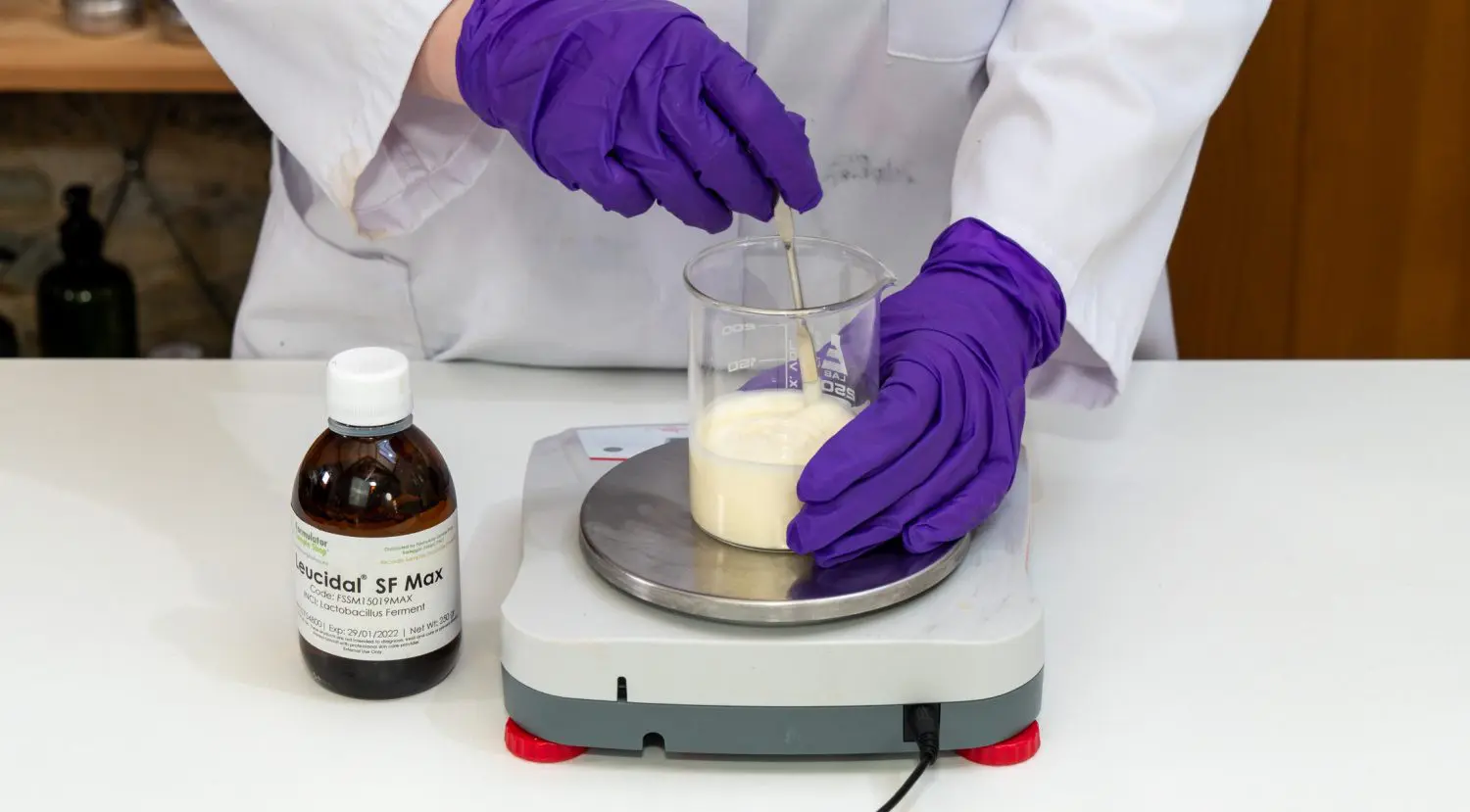
- Leucidal SF Max (INCI: Lactobacillus Ferment).
These ready-to-use natural broad-spectrum preservative blends are an easy and convenient option for home formulators. But how effective are they?
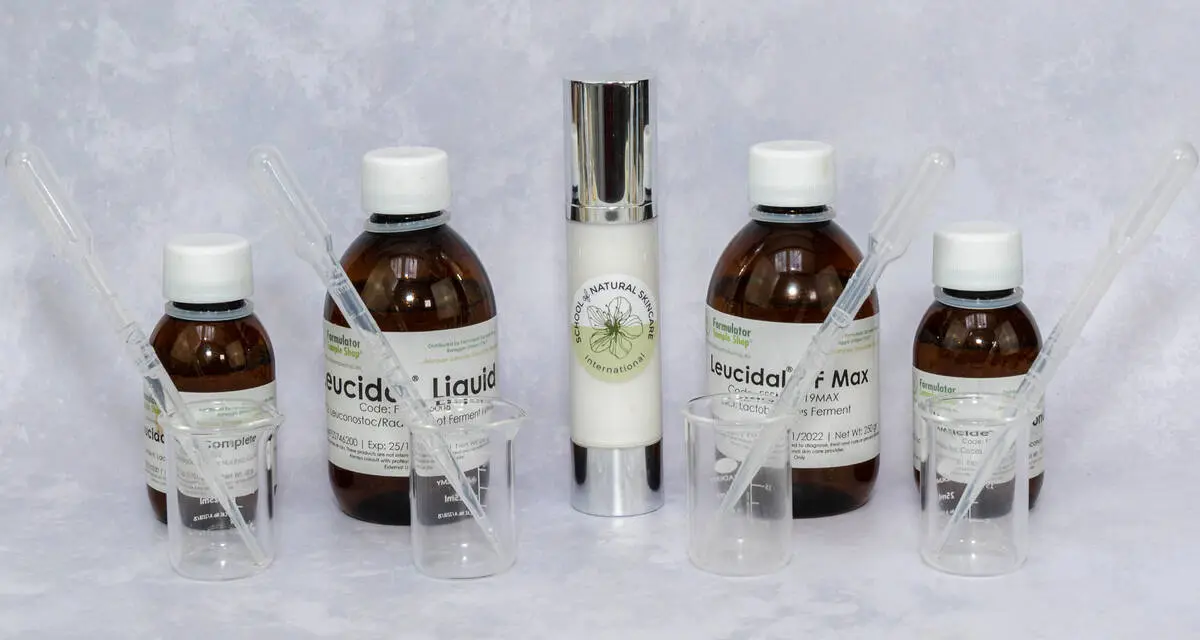
Which were the best natural broad-spectrum preservative blends that we tested and which ones failed?
We have written up the results of our experiment in full in two reports:
- Testing Four Natural Preservatives and
- Testing Leucidal Preservatives
In these reports you’ll learn:
- How preservatives work and when they are required.
- Details of our experiment and the results of the testing, including US $1,200 worth of PET results.
- A detailed analysis of the test results describing the strengths and weaknesses of the different preservative blends.
- How to interpret challenge test (PET) results and be able to apply this to your own products to create successful preservative systems.
Each report is available for just 25 credits (approximately US $30) inside our Natural Cosmetic Formulation Club.
You don’t need any prior knowledge about preservative testing as everything is thoroughly explained!
We conducted these experiments to save you both time and money when creating your own formulations. Use our findings to help you select appropriate preservatives for your own products.
Join the Club to access the reports today
Check out our Natural Cosmetic Formulation Club to find out all about the Club and how to join.
Join today and exchange your first month’s credits for Testing Four Natural Preservatives and Testing Leucidal Preservatives for immediate access to the reports and results.
Already a member? You’ll find the class on the Formulation Lab dashboard, in the Experiments section.
With loads of exciting topics to discover, new classes added every month and a supportive community, we know you’ll love being a member!
Any Questions?
Please do get in touch with our customer service team by email using [email protected] with any questions you may have. We’re here to help and would be delighted to hear from you.